Astronaut Holding Samurai Sword: A Designer's Review
As an embroidery designer who spends countless hours digitizing and stitching for both personal projects and commercial clients, I am always on the lookout for unique machine embroidery design files that stand out in a saturated market. Recently, I came across the Astronaut Holding Samurai Sword on Creative Fabrica, listed under the Robots category. At first glance, the concept is undeniably quirky—a fusion of futuristic space exploration and ancient warrior tradition. But does this embroidery file hold up under the scrutiny of real-world production? I decided to evaluate it not just as a digital asset, but as a potential centerpiece for actual handmade products.
First Impressions and Visual Mood
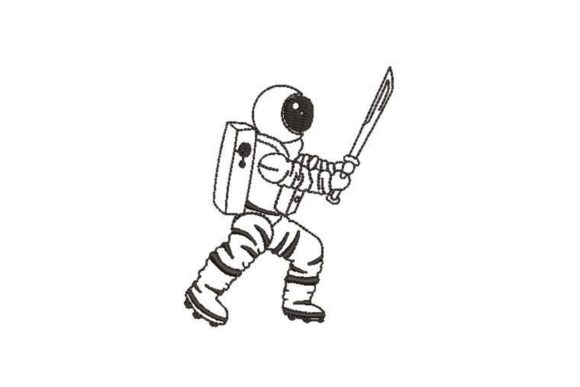
The immediate appeal of the Astronaut Holding Samurai Sword lies in its humorous contrast. It captures a playful mood that feels perfect for modern, eclectic decor or niche apparel. When reviewing the preview images, the design appears to have a strong graphic quality. For a design like this to work in thread, the balance between the bulky astronaut suit and the sleek lines of the samurai sword is critical. If the digitizer has done their job well, the satin stitch work on the sword blade should provide a nice sheen against the potentially denser fill stitch areas of the space suit.
This isn't your typical floral or monogram motif. It has personality. It suggests a story, which is exactly what today's consumers are looking for in a handmade product. Whether you are creating items for an Etsy shop or stocking a boutique, this design offers a conversation starter. It fits naturally into categories like geek-chic nursery decor, gamer merchandise, or even a unique line of kitchen accessories for the sci-fi enthusiast.
Performance in Real Embroidery Projects
Before committing to a large order, I mentally ran through several applications for this design. Here is how I see the Astronaut Holding Samurai Sword performing across different mediums:
- Custom Apparel: This design would shine on the back of a denim jacket or the chest of a heavyweight hoodie. The bold lines translate well to larger garment areas.
- Tote Bag Design: A canvas tote featuring this character would be a hit at craft fairs. The flat surface of a bag allows for maximum detail visibility.
- Sweatshirt Embroidery: For a cozy, seasonal release, placing this on a crewneck sweatshirt creates a fun, casual look.
- Embroidered Patch: Given the distinct outline of the astronaut and sword, this could easily be adapted or stitched as a standalone patch for hats or bags.
- Nursery Decor: Despite the sword, the cartoonish nature of many space-themed designs makes them suitable for a child's room, perhaps on a pillow cover or wall hanging.
For commercial embroidery purposes, versatility is key. This design bridges the gap between children's interests and adult humor, expanding your potential customer base. However, the success of the finished product relies heavily on execution.
Technical Considerations and Fabric Challenges
When working with a complex character design like the Astronaut Holding Samurai Sword, technical preparation is non-negotiable. One of the first things I check is the stitch density. Space suits often involve layered details to simulate bulk and equipment. If the digitizer has packed too many stitches into a small area, you risk "bird nesting" or fabric puckering, especially on stretchy materials like jersey knits used for t-shirts.
If you plan to stitch this on a dark fabric, pay close attention to the thread colors chosen in the preview. You may need to manually adjust the sequence or swap colors to ensure the astronaut pops against the background. Conversely, on light fabrics, ensure there is enough underlay to prevent the fabric from showing through dense fill areas.
Curved surfaces present another challenge. While this design might look great on a flat tote, attempting it on a structured cap requires caution. The width of the design relative to the cap's front panel must be verified. If the design is too wide, the curvature will distort the image, making the samurai sword look bent or the astronaut's helmet misshapen. Always confirm the recommended hoop size before purchasing. If the design requires a large hoop that your machine doesn't support, or if it needs to be split for re-hooping, it adds significant time to your production workflow.
Furthermore, consider the end-use of the item. If you are making an apron or kitchen towel that will undergo frequent washing, the durability of the stitches is paramount. Dense areas can become stiff over time. Using a high-quality cut-away stabilizer is essential here to maintain the shape of the design after multiple wash cycles. For items like baby blankets, where softness is a priority, you might need to experiment with lighter weight stabilizers or mesh to keep the hand of the fabric soft.
Enhancing Product Value and Brand Appeal
In the world of handmade sales, presentation is everything. Using a distinctive design like the Astronaut Holding Samurai Sword can significantly boost your brand's perceived value. It shows that you curate unique assets rather than using generic clipart. This attention to detail builds buyer trust.
From a marketing perspective, this design is highly photogenic. The contrast between the white or metallic tones of the space suit and the potential vibrant colors of the sword creates a striking visual for printable mockup generation and social media posts. High-contrast imagery stops the scroll. When customers see a well-executed version of this design on a high-quality garment, they associate that quality with your entire shop.
It also opens doors for personalization. While the design itself is complete, adding a name in a complementary font nearby (perhaps in a tech-style typeface) could turn a standard item into a cherished personalized gift. Just be mindful of lettering size; tiny text near a detailed graphic can get lost or fill in during stitching.
Final Verdict and Practical Steps
The Astronaut Holding Samurai Sword is a compelling option for designers looking to add some flavor to their portfolio. It moves beyond standard themes and offers a narrative element that resonates with specific niches. However, as with any digital embroidery file sourced from platforms like Creative Fabrica, due diligence is required before mass production.
Here is my recommended checklist before you start stitching:
- Test on Scrap Fabric: Never skip the test run. Stitch the design on the same type of fabric you intend to sell to check for registration issues or density problems.
- Check Thread Contrast: Ensure your chosen thread palette provides enough definition between the astronaut, the sword, and the background.
- Review Stitch Density: Look closely at the back of your test stitch-out. If it looks like a solid block of thread, consider reducing density or changing stabilizers.
- Confirm Hoop Size: Verify that the design fits your available hoops without requiring complex re-hooping procedures.
- Inspect Small Details: Zoom in on the finished test piece. Are the fine lines of the sword clear? Is the helmet visor distinct?
- Verify Licensing: Always read the license terms on the product page. Ensure that the file allows for commercial use if you plan to sell finished items.
The product description mentions that the design comes with "multiple e," likely referring to multiple formats or sizes, but since specific details like exact stitch count or compatible machine brands aren't explicitly listed in the short blurb, you must visit the Creative Fabrica embroidery product page to confirm these technical specs. Don't assume compatibility; verify it.
In conclusion, the Astronaut Holding Samurai Sword has the potential to be a star performer in your shop if handled with technical care. It offers a blend of whimsy and cool that appeals to a broad audience. By respecting the technical limitations of embroidery and testing thoroughly, you can transform this digital asset into a tangible, high-value product that customers will love. Whether it ends up on a rugged tote bag or a soft nursery pillow, this design proves that sometimes the best ideas come from mixing two completely different worlds.