Bird Embroidery Review: A Delicate Accent for Real Projects
As a designer who spends more time under the magnifying glass of an embroidery machine than most, I approach every new machine embroidery design with a mix of curiosity and caution. We've all been there: a file looks adorable on the screen, but once it hits the fabric, the stitch density collapses, or the details turn into a muddy mess. That's why I took a close look at the Bird design before committing it to any client work or personal projects. This isn't just about whether it's cute; it's about whether it holds up as a professional asset for a craft business or a heartfelt personalized gift.
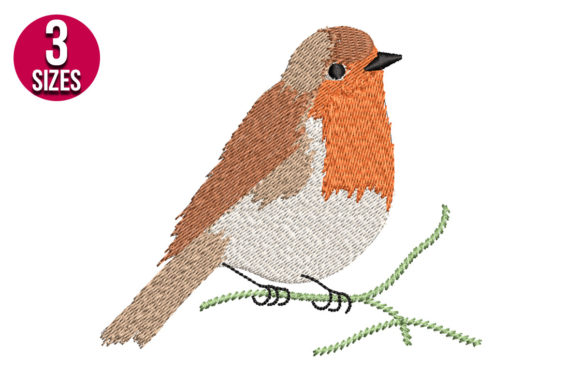
The first impression of Bird is one of gentle simplicity. In a market saturated with overly complex, hyper-realistic avian designs that demand thousands of stitches, this file offers a refreshing change of pace. It feels intentional in its minimalism. The silhouette is clean, avoiding unnecessary clutter that often plagues small-scale embroidery. For an Etsy seller or a boutique owner, this visual personality is gold. It suggests a modern, airy aesthetic that fits perfectly with current trends in home decor and slow fashion. It doesn't scream for attention; instead, it whispers, making it an ideal candidate for subtle branding or delicate accents on high-end goods.
Putting Bird to the Test: Real-World Scenarios
To truly evaluate an embroidery file, you have to imagine it in situ. I envisioned using Bird for a custom order involving a set of linen kitchen towels. Linen can be tricky due to its weave, but the open nature of this design suggests it would sit beautifully on top of the texture without sinking in or distorting the fabric grain. Imagine a customer ordering a housewarming holiday embroidery gift; placing this bird near the hem of a tea towel adds a touch of whimsy without overwhelming the utility of the item.
Another strong use case is baby embroidery. Parents often shy away from heavy, stiff patches on onesies or sleepers. Because Bird appears to rely on cleaner lines rather than dense saturation, it would likely remain soft against sensitive skin. I could easily see this stitched onto the chest pocket of a children's denim jacket or as a cluster of three birds on a nursery blanket. For a small shop product line, this versatility is crucial. You aren't locked into one niche; you can pivot from nursery decor to adult custom apparel with the same asset.
I also considered its potential for a tote bag design. Canvas bags are staples for makers, but they often lack unique flair. Stitching Bird in a contrasting thread color on a natural canvas tote creates an instant "handmade" vibe that boosts perceived value. It transforms a generic bag into a curated handmade product. Furthermore, for those selling digital embroidery files or design assets, this design serves as an excellent example of how less can be more. It proves that you don't need massive stitch counts to create emotional resonance with a buyer.
Navigating Fabric Challenges and Stitch Performance
While the aesthetic appeal is high, practical application requires a critical eye toward technical limitations. The description notes that this design comes in multiple sizes, which is a vital feature for adapting to different hoop size constraints. However, when working with such a delicate motif, the choice of fabric becomes paramount. On thick, textured fabrics like terrycloth or heavy wool, the fine details of Bird might get lost. In these cases, I would recommend using a heavier weight stabilizer to ensure the fabric doesn't pull away from the needle, potentially distorting the bird's shape.
Conversely, on stretchy fabrics like jersey knits used for sweatshirt embroidery or t-shirts, the risk lies in the fabric shifting during the run. If the design utilizes a lot of running stitch or light fill stitch, it generally handles stretch better than dense satin columns. However, if there are tiny, isolated elements in the wing or tail, these could pucker if the stabilizer isn't cut away properly post-stitching. For commercial embroidery runs where consistency is key, I would insist on testing the design on a scrap piece of the exact garment material first. This is non-negotiable for maintaining brand consistency and customer trust.
Dark fabrics present another consideration. If the design relies on light thread colors to define the bird's form, stitching it onto navy or black fabric requires careful planning. You may need to adjust the thread colors or add an underlay to prevent the dark fabric from showing through the lighter stitches, which can ruin the crispness of the image. Always check the contrast. A design that pops on white muslin might vanish on charcoal fleece.
Enhancing Value and Professional Presentation
The true measure of a design like Bird is its impact on the finished product's value. In the eyes of a consumer, a well-executed, clean embroidery job signals quality. Sloppy stitching or poor design choices signal cheapness. Because Bird avoids overly dense areas that can cause thread breaks or bird-nesting, it reduces the risk of production errors. This reliability translates directly to professionalism. When a customer receives a pillow cover or an apron with this design, the clarity of the lines reinforces the idea that the maker cares about detail.
For those creating printable mockups for online listings, the simplicity of this design is a double-edged sword. It renders clearly in photos, which is great for click-through rates, but it also means any imperfections in your hooping or tension will be glaringly obvious. There is nowhere to hide with a minimalist design. This demands a higher level of skill from the operator but rewards them with a sleek, high-end look that justifies a higher price point. It elevates a standard item into a personalized gift that feels bespoke.
Final Designer Notes and Best Practices
Before you integrate Bird into your workflow, here are a few practical steps to ensure success. First, always stitch out a test sample on scrap fabric that matches your final project's weight and texture. Pay close attention to the corners and curves; this is where digitizing flaws often reveal themselves. Second, review the stitch density. If the design feels too light for your fabric, consider adding a manual underlay in your software. Third, verify the licensing terms. While the description mentions it is suitable for various uses, always confirm if the license allows for unlimited commercial sales of finished items or if there are restrictions on reselling the digital embroidery file itself.
Additionally, consider the context of appliqué design. While Bird appears to be a standard stitch-out, creative entrepreneurs might experiment by using it as a guide for hand-appliquéd fabric shapes, adding a mixed-media element to their embroidery project. Finally, think about your target audience. Is this for a baby shower? A wedding? A holiday market? The versatility of Bird allows it to cross these boundaries, but your presentation—thread choice, placement, and accompanying text—will define its ultimate success.
In conclusion, Bird is a thoughtful addition to any designer's library. It respects the limitations of the medium while maximizing aesthetic charm. Whether you are decorating a cap, finishing a patch, or launching a new line of home goods, this design offers a reliable, elegant solution. Just remember: the magic isn't just in the file; it's in the execution. Treat it with the care it deserves, and it will undoubtedly become a staple in your catalog of small business merchandise.