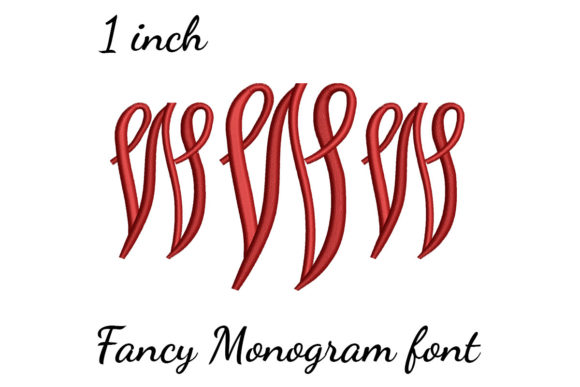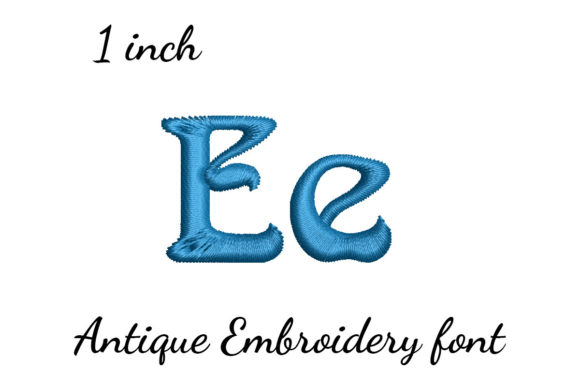
E Font Antique Review: A Vintage Touch for Embroidery
As an embroidery designer who spends hours digitizing and stitching for clients, I am always on the lookout for machine embroidery design assets that offer both aesthetic charm and technical reliability. Recently, I came across E Font Antique on Creative Fabrica while sourcing elements for a new line of personalized home goods. The product description promises a perfect solution for creating beautiful personalized designs, but as any seasoned stitcher knows, the devil is in the details. This review breaks down my experience evaluating this font for real-world commercial projects, from boutique apparel to heirloom gifts.
First Impressions: Visual Mood and Stitching Personality
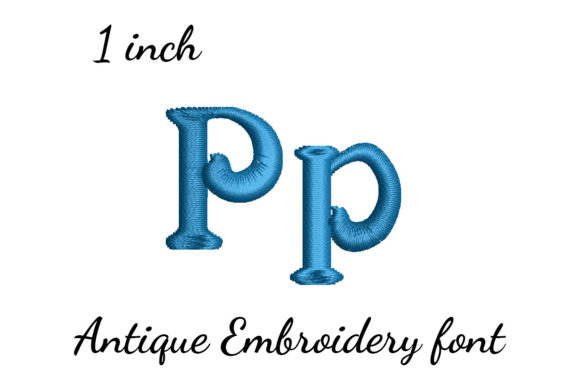
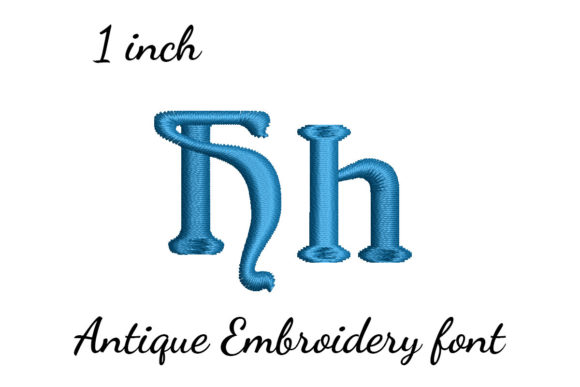
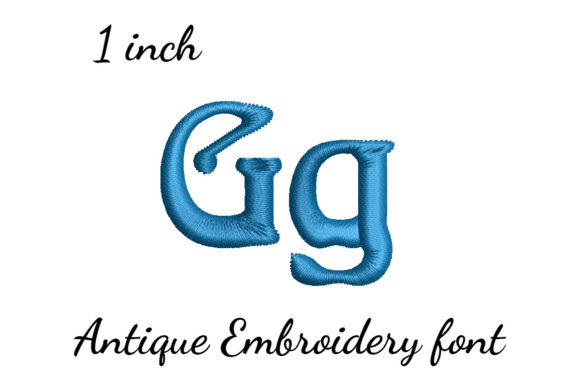
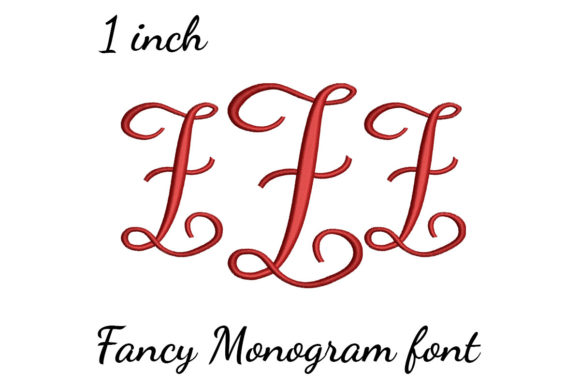
When I first loaded the preview of E Font Antique, the visual mood was immediately apparent. It exudes a classic, timeless elegance that fits perfectly within the Wedding Monogram category. Unlike some modern fonts that rely on sharp, geometric lines, this letter carries a decorative appeal rooted in traditional typography. The curves feel organic, suggesting a hand-lettered origin that translates well into thread.
The detail level appears high, with a stitching personality that balances structure with flow. For designers looking to add a touch of sophistication without overwhelming the fabric, this Embroidery font seems ideal. It does not scream for attention; rather, it invites the viewer to look closer, making it an excellent choice for branding where subtlety equals luxury. Whether you are creating a single initial for a towel or incorporating it into a larger monogram cluster, the antique style provides a consistent narrative of quality and care.
Real-World Application: From Tote Bags to Sweatshirts
In my shop, versatility is key. I evaluated E Font Antique specifically for its potential across various substrates. Here is how I see it performing in different scenarios:
- Custom Apparel: On a heavyweight cotton sweatshirt, the antique curves of the "E" would stand out beautifully against the textured fabric. It works well for chest logos or sleeve details where a vintage vibe is desired.
- Tote Bag Design: For canvas tote bags, this font offers enough presence to be legible from a distance while maintaining the handmade aesthetic that customers love. It elevates a simple bag into a boutique merchandise item.
- Kitchen Towels and Aprons: These items often require frequent washing. The design's structure suggests it could hold up well if stitched with appropriate density, adding a personalized gift element to everyday utilities.
- Nursery Decor: Soft, antique styles are perennial favorites for baby blankets and pillow covers. The gentle lines of this font avoid the harshness of block letters, making it perfect for delicate nursery themes.
- Embroidered Patch: If digitized or provided as a standalone motif, this letter could serve as a striking central element for a woven or embroidered patch, appealing to the current trend of custom badges.
For Etsy sellers and creative entrepreneurs, using a distinct font like this helps establish brand consistency. When a customer sees that specific antique "E" on your packaging, social media mockups, and finished products, it reinforces a cohesive visual identity.
Technical Considerations for Commercial Embroidery
While the aesthetic is promising, practical use requires a critical eye. Before committing to a customer order, there are several technical factors to consider with any digital embroidery file.
Fabric Texture and Stretch: Antique fonts often feature varying stroke widths. On stretchy fabrics like jersey knits, dense areas can cause puckering if the stitch density is too high. I recommend testing on scrap fabric first. If the design relies heavily on satin stitch columns, ensure your stabilizer choice matches the fabric weight. For textured fabrics like linen or waffle weave, verify that the finer details of the antique styling do not get lost in the weave.
Hoop Size and Placement: Although specific dimensions were not listed in the brief description, checking the hoop size requirements is crucial. If you plan to embroider on curved surfaces like caps, ensure the design fits within a standard cap frame. Small hoop sizes can limit placement options on larger items like aprons or pillow covers.
Thread Colors and Contrast: The beauty of an antique font often lies in its contrast. When stitching on dark fabric, you may need to adjust the underlay or increase the density of the fill stitch to prevent the background from showing through. Conversely, on light fabrics, ensure the thread colors chosen highlight the decorative swashes and serifs inherent in the design.
Durability and Washing: Products like kitchen towels and baby items undergo rigorous washing cycles. Inspect small details after stitching a test sample. Are there tiny running stitches that might pull out? Is the connection between letter segments secure? These checks are vital for maintaining buyer trust and ensuring your handmade product lasts.
Enhancing Product Value and Buyer Trust
In the competitive landscape of handmade shops, presentation is everything. Using a high-quality font like E Font Antique can significantly affect product value. Customers associate intricate, well-executed lettering with higher price points. When you list an item featuring this font, the visual appeal alone can drive customer engagement.
Furthermore, consistent use of such design assets improves your product photography. A beautifully embroidered initial on a neutral linen pillow cover creates a stunning image for your online store or printable mockup catalog. It tells a story of craftsmanship. For those selling commercial embroidery products, offering personalization with a unique, non-standard font distinguishes your listings from competitors using default machine fonts.
Final Verdict and Practical Notes
Is E Font Antique worth downloading for your next project? Based on its visual promise and suitability for the Wedding Monogram and personalized gift markets, it appears to be a strong contender for designers seeking a classic look. However, as with any Creative Fabrica embroidery purchase due diligence is required before production.
Before stitching your final piece, I strongly advise the following steps:
- Check File Details: The description mentions multiple embroidery file formats, but always confirm which specific formats (PES, DST, JEF, etc.) are included to match your machine.
- Review Licensing: If you intend to sell finished items commercially, read the license terms on the product page carefully to ensure compliance.
- Test Stitch: Always run a test on a similar fabric to your final product. Check for registration issues, thread breaks, or excessive trimming.
- Stabilizer Selection: Choose a stabilizer that supports the specific stitch types used in the font, whether it be satin, fill, or running stitch.
Ultimately, E Font Antique offers a pathway to creating elegant, marketable goods. By paying attention to the technical nuances of embroidery and leveraging the font's decorative strengths, you can produce items that resonate with buyers looking for quality and character. Whether for a custom apparel line or a seasonal handmade gift collection, this design asset has the potential to become a staple in your digital library.