Girl Coder: A Designer's Take on Modern Tech Embroidery
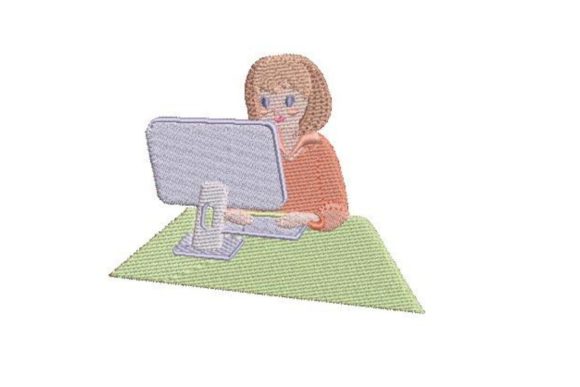
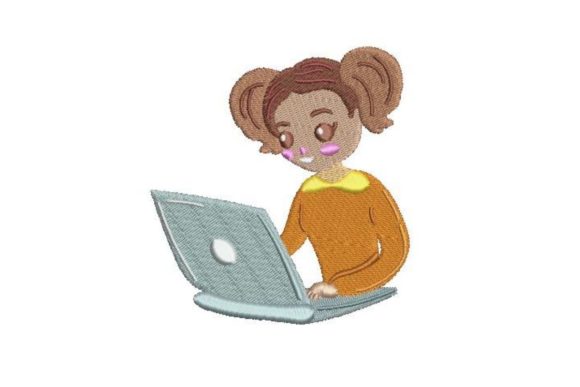
As someone who spends more time staring at stitch files than actual code, I'm always on the lookout for designs that bridge the gap between niche hobbies and mainstream appeal. When I first pulled up the Girl Coder machine embroidery design on my screen, it immediately struck a chord. It isn't just a cute graphic; it feels like a statement piece for the modern maker. The layout is clean, the theme is timely, and the visual personality suggests a level of professionalism that fits perfectly into the Work category without feeling stiff or corporate.
In this review, I'm breaking down how this embroidery file performs in real-world scenarios, from custom apparel to small shop merchandise. If you are an Etsy seller, a boutique owner, or a hobbyist looking to create personalized gifts, understanding the practical nuances of this design is crucial before you hit "start" on your machine.
First Impressions: Mood and Visual Flow
The first thing I noticed about Girl Coder is its balanced composition. Many tech-themed designs lean too heavily into pixelated fonts or overly complex circuit board patterns that can turn into a thread nest on smaller hoops. This design, however, maintains a friendly yet capable vibe. The shape and detail level suggest it was digitized with clarity in mind. Whether you are using a satin stitch for crisp outlines or a fill stitch for solid areas, the transitions look smooth in the preview.
The mood it creates is empowering but approachable. It doesn't scream "gamer"; it whispers "professional creator." This makes it incredibly versatile. It feels right at home on a laptop sleeve, but it also has the charm needed for a casual sweatshirt. For designers, this duality is gold. It means you aren't limited to one specific product line. You can market it as part of a "Back to School" collection for college students or a "Holiday Gift" guide for the tech-savvy relatives in your life.
Real-World Application: From Tote Bags to Uniforms
Let's talk about where this design actually shines. I recently simulated a project for a local coding bootcamp that needed branded merchandise for their graduates. They wanted something that looked good on a tote bag design but could also work on a polo shirt for career fairs. Girl Coder was the perfect candidate.
On a canvas tote, the design holds its own. The lines are distinct enough to pop against the textured weave of the fabric. If you are creating a handmade product like a zippered pouch or a tablet case, this embroidery project adds immediate value. It transforms a generic blank into a targeted accessory for programmers.
For custom apparel, specifically sweatshirts and hoodies, the design scales well. Sweatshirt embroidery can be tricky because of the fleece backing and potential for puckering, but the structure of this file seems robust enough to handle thicker materials. I could easily see this working as a chest logo on a uniform or a larger back print on a varsity-style jacket. For those running a craft business, this opens up opportunities for bulk orders from tech companies, schools, or co-working spaces looking for unique small shop product ideas.
Navigating Fabric Challenges and Stitch Density
While the design is strong, no digital embroidery file is universal without some precautions. Here is where your experience as a decorator comes into play. If you plan to stitch this on stretchy fabrics like jersey knits for baby embroidery or fitted tees, you must pay attention to your stabilizer choice. The description notes it stitches wonderfully on any kind of fabric, but in practice, high-stretch materials require a cut-away stabilizer to prevent distortion over time, especially if the design has dense areas.
Be mindful of stitch density if you are downsizing the image for a cap or a small patch. Tiny details, such as fine lettering or intricate corners in the character's features, might merge together if the hoop size is too small or the fabric texture is too loose. Always test the design on scrap fabric first. I recommend running a test on both a light and a dark background. Thread color contrast is vital here; a dark thread on a navy shirt might look sophisticated, but ensure the definition doesn't get lost.
Curved surfaces like caps present another challenge. The center of the design should align perfectly with the cap's seam to avoid warping. If the design includes small text, verify that it remains legible when stitched on a curved plane. For commercial embroidery projects, consistency is key to customer trust. A warped or puckered finished product can damage your reputation as an Etsy seller or boutique provider.
Enhancing Brand Value and Customer Appeal
Beyond the technical stitching, let's discuss the marketability of Girl Coder. In today's market, representation matters. Having a design that specifically highlights girls in technology fills a gap in the design assets available to creators. This boosts the perceived value of your items. A parent buying a personalized gift for their daughter, or a woman treating herself to a new work bag, will connect emotionally with the imagery.
This emotional connection drives buyer engagement. When customers see a design that reflects their identity or aspirations, they are more likely to purchase. For printable mockup creation, this design photographs beautifully. The clean lines translate well to digital previews, which is essential for online listings. Whether you are selling the physical embroidered item or using the design to enhance a broader brand aesthetic, it contributes to a cohesive and professional look.
Furthermore, the versatility allows for seasonal pivots. While it fits the Work category year-round, you can easily market it for holiday embroidery gifts during the winter season or as a "Graduation Gift" in the spring. This flexibility maximizes the return on your investment in the file.
Final Verdict and Designer Notes
Overall, Girl Coder is a standout addition to any embroidery library. It balances trendiness with timeless utility. However, before committing to a large production run or listing it in your shop, keep these practical steps in mind:
- Check Licensing: The product description mentions it comes with multiple options, but always confirm the specific license terms. Ensure you are cleared for commercial use if you plan to sell finished items or digital products.
- Verify File Formats: Ensure your machine supports the provided formats. The description implies versatility, but double-check compatibility to avoid last-minute conversion issues.
- Test Run: Never skip the scrap fabric test. Check how the running stitch elements hold up after washing, especially for items like aprons or kitchen towels that face frequent wear.
- Color Strategy: Experiment with thread colors. While standard tech colors (blues, greys) work, don't be afraid to try pastels for a softer look or neon accents for a bold statement.
If you are looking to expand your portfolio with a design that speaks to the next generation of innovators, this applique design alternative (or standard fill design, depending on your preference) is worth the download. It offers a professional finish that elevates simple blanks into meaningful, conversation-starting pieces. Just remember, the quality of the final output depends as much on your setup and material choices as it does on the digitization itself. Happy stitching!