Iron Embroidery Design Review for Makers
As an embroidery designer who spends countless hours digitizing and stitching for clients, I approach every new machine embroidery design with a critical eye. It is not just about whether a file looks good on a screen; it is about how it performs under the needle, how it wears after washing, and whether it adds genuine value to a handmade product. Recently, I evaluated the Iron design available on Creative Fabrica to see if it holds up for real-world commercial projects. This review breaks down my findings for fellow crafters, Etsy sellers, and boutique owners considering this asset for their next batch of goods.
First Impressions and Visual Mood
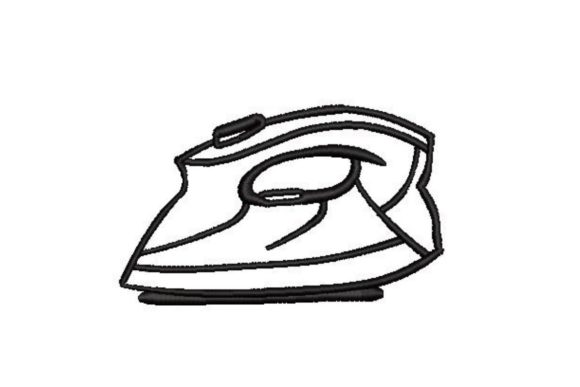
When I first pulled up the preview for Iron, the immediate takeaway was its versatility within the House category. The design carries a utilitarian yet decorative charm that fits perfectly with current trends in modern farmhouse and industrial-chic decor. Visually, it suggests a balance between bold statement pieces and subtle accents. For a designer, the "stitching personality" of a file is crucial. Does it look like a block of solid color, or does it have texture? Iron appears to offer a clean aesthetic that translates well to various mediums without feeling overly busy.
The appeal here lies in its adaptability. Whether you are aiming for a rugged look on a work apron or a polished finish on a nursery pillow, the motif feels native to both environments. It avoids the trap of being too specific, which allows us as creators to reinterpret it across different product lines. For those selling digital embroidery file bundles or finished goods, having a design that bridges the gap between masculine and neutral decor is a significant advantage.
Performance on Real-World Projects
To truly test the viability of Iron, I mentally mapped it onto several common items I produce for customers. Here is how I foresee it performing across different substrates:
- Custom Apparel and Sweatshirts: On a heavy cotton blend sweatshirt, this design would likely shine. The structure of the garment supports the weight of the stitching, preventing puckering. It works exceptionally well as a chest logo or a sleeve accent for custom apparel brands.
- Tote Bags and Aprons: Canvas tote bags and kitchen aprons are ideal candidates. These items often require durable designs that can withstand friction and frequent washing. The Iron motif adds a professional touch that elevates a simple bag into a boutique item.
- Nursery and Home Decor: For pillow covers or wall hangings, the design offers a thematic anchor. It fits naturally into collections focused on organization, laundry rooms, or industrial-themed nurseries.
- Embroidered Patches: If you are creating heat-seal or sew-on patches, this design's clear lines suggest it would stitch out cleanly on twill backing, making it a great addition to a patch shop inventory.
However, caution is advised when applying this to stretchy fabrics like thin jerseys or curved surfaces like baseball caps. Without proper stabilization, any dense areas could cause distortion. Always consider the hoop size limitations of your specific machine before committing to a large run of caps.
Technical Considerations for Stitching
Every embroidery file has its quirks, and honest evaluation requires looking at the technical details. While the product description notes that Iron comes with multiple file formats compatible with various machines, the responsibility falls on the user to verify the specifics before stitching. You must check the product page for the exact stitch density and recommended hoop sizes.
If the design utilizes significant fill stitch areas, you will need to pay close attention to your stabilizer choice. For textured fabrics like towels or waffle weave, a cut-away stabilizer is non-negotiable to prevent the design from sinking into the pile. Conversely, if the design relies heavily on satin stitch columns for definition, ensure your thread tension is balanced to avoid bird nesting, especially on dark fabrics where errors are more visible.
Thread color contrast is another vital factor. Since the theme is "Iron," sticking to a monochromatic palette of grays, silvers, and charcoal blacks can create a sophisticated, metallic look even when using standard rayon or polyester threads. However, testing on scrap fabric is essential. What looks vibrant on a white background might get lost on a navy blue hoodie. Always stitch a sample on the actual material you intend to sell to confirm the thread colors pop effectively.
Enhancing Product Value and Brand Trust
In the competitive landscape of handmade sales, the quality of your embellishments directly impacts buyer trust. Using a high-quality Creative Fabrica embroidery asset like Iron can significantly boost the perceived value of your finished product. Customers associate crisp, well-executed embroidery with professionalism. When a design stitches out cleanly with no gaps or excessive pull, it reinforces the reputation of your brand.
Furthermore, consistency is key for building a recognizable shop. If Iron fits your brand's visual identity, using it across multiple items—from kitchen towels to personalized gift sets—creates a cohesive collection. This consistency aids in product photography; a unified aesthetic makes your Instagram feed or Etsy storefront look curated and intentional, driving higher customer engagement.
For those creating printable mockup files to sell alongside physical goods, this design serves as an excellent design asset. It allows digital sellers to showcase realistic textures in their listings, helping buyers visualize the final result before purchasing.
Final Verdict and Practical Advice
After reviewing the potential applications and technical requirements, Iron stands out as a practical choice for designers looking to expand their commercial embroidery offerings. Its strength lies in its neutrality and adaptability across the House and apparel sectors. However, success depends entirely on preparation.
Before launching a product line featuring this design, adhere to these steps:
- Verify Licensing: Always read the license terms on the Creative Fabrica product page. Ensure you are compliant regarding the number of physical items you can sell if you are on a free plan versus a subscription.
- Test Extensively: Stitch on both light and dark fabrics. Check how the design handles after three wash cycles to ensure durability.
- Inspect Details: Look closely at small elements after stitching. Are the running stitch outlines secure? Do the corners of the design hold their shape?
- Check File Specs: Confirm the included formats match your machine software to avoid conversion errors that could alter stitch paths.
Ultimately, Iron is a solid contender for your digital library. It offers the reliability needed for small business owners who cannot afford wasted materials or unhappy customers. By respecting the technical nuances of machine embroidery and leveraging the design's natural aesthetic, you can create standout products that resonate with your audience.