Photographer Line Art Drawing: A Pro Review
As an embroidery designer who spends countless hours digitizing and testing files for commercial use, I approach every new machine embroidery design with a critical eye. It is not just about whether the image looks good on a screen; it is about how that digital embroidery file translates into thread on real-world fabric. Today, I am reviewing the Photographer Line Art Drawing, a silhouette-based design categorized under Work and Embroidery. My goal is to determine if this asset holds up for small business owners, boutique operators, and apparel decorators looking to elevate their branded merchandise.
First Impressions and Visual Personality
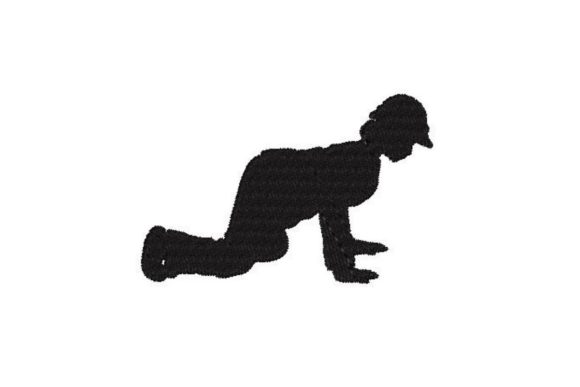
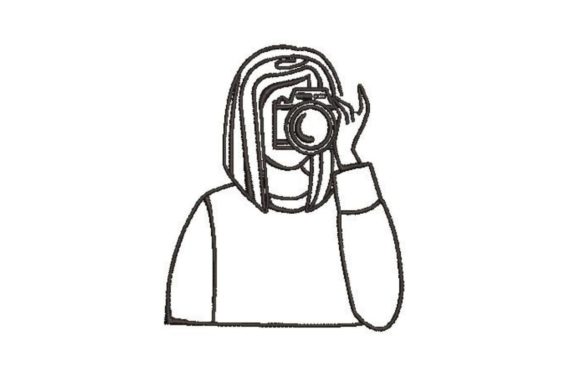
Upon loading the preview of the Photographer Line Art Drawing, the immediate impression is one of modern elegance mixed with a playful, creative spirit. The description highlights a "silhouette of a photographer" intended to add a "cheerful touch," and visually, the line art delivers on this promise. Unlike heavy, blocky logos that can feel industrial, this design relies on clean outlines to convey its subject. This makes it feel incredibly versatile. It strikes a balance between professional and approachable, which is the sweet spot for creative industries.
For a handmade brand or a creative studio, this aesthetic is gold. It avoids the stiffness of corporate branding while maintaining enough structure to look intentional and high-quality. The line art style suggests a focus on craft and detail, mirroring the values of the businesses likely to use it. Whether you are running a local photography studio, a craft supply shop, or a trendy café that supports local artists, this design feels like a natural fit for your brand identity.
Real-World Business Applications
The true test of any embroidery file is its application in a real business scenario. I evaluated how the Photographer Line Art Drawing would perform across various products common in the small business ecosystem.
- Staff Uniforms and Aprons: For a photo studio or a creative workshop, placing this silhouette on the chest of a black apron or a denim work shirt creates an instant uniform standard. It signals to customers that the staff are professionals who understand the craft.
- Embroidered Patches: This is perhaps the strongest use case. The clean lines of the silhouette translate beautifully into an embroidered patch. These patches can be sewn onto canvas tote bags, laptop sleeves, or even sold as standalone accessories in an Etsy shop.
- Cap Embroidery: Placing the design on the front panel of a dad hat or trucker cap offers a subtle nod to the photography niche. The line art style prevents the design from looking too bulky on the curved surface of a cap.
- Tote Bag Design: Canvas totes are a staple for event merch and retail give-aways. This design works exceptionally well here, acting as a stylish marker that turns a simple bag into a piece of small business merch that customers actually want to carry.
In terms of commercial embroidery projects, this design serves as an excellent accent. It is not overpowering, meaning it can coexist with text logos or other design assets without creating visual clutter. For example, a bakery that also sells artisanal goods could use this on packaging accents or staff gear to highlight their support for local creatives.
Technical Considerations for Production
While the aesthetic is strong, a professional review must address the technical execution. Line art designs can be tricky depending on the stitch density and the complexity of the outlines. When reviewing the Photographer Line Art Drawing, there are specific areas where caution is required to ensure a premium finished product.
First, consider the size. If you intend to use this as a tiny label on a garment or a very small patch, you must verify that the fine lines do not merge together during stitching. High stitch density in small areas can lead to thread breaks or a loss of definition. I recommend testing the design at your intended minimum size before committing to a large production run.
Fabric texture also plays a crucial role. On smooth fabrics like broadcloth or polished twill, the lines will appear crisp and defined. However, on textured fabrics like heavy fleece, looped towels, or coarse linen, the fine details of the silhouette might get lost. For these materials, you may need to adjust the underlay or choose a thicker thread weight to maintain visibility.
Additionally, when working with dark uniforms, ensure you have high-contrast thread colors selected. A dark grey thread on a navy blue shirt might render the "cheerful" aspect of the design mute. White, silver, or vibrant accent colors against dark backgrounds will make the silhouette pop and ensure recognition from a distance.
Practical Designer Notes for Success
To get the best results from the Photographer Line Art Drawing, follow these practical steps before hitting the start button on your machine:
- Test in Black and White First: Before selecting a full color palette, stitch a sample using a single thread color. This helps you evaluate the clarity of the lines and the integrity of the silhouette without the distraction of color blending.
- Check Hoop Size Compatibility: Confirm that the design fits within your available hoop size, especially if you are working with restricted areas like cap fronts or pocket flaps.
- Select the Right Stabilizer: Line art requires stability to prevent puckering. Use a cut-away stabilizer for stretchy fabrics like polo shirts and a tear-away for stable wovens like denim or canvas.
- Create a Printable Mockup: Always generate a printable mockup to show your client or to visualize the placement on the custom apparel. This step saves time and money by catching placement errors early.
- Verify Commercial Licensing: Since this is intended for business use, double-check the license terms included with the file. Ensure you have the rights to use the design on items for sale, such as branded patches or merchandise.
Impact on Brand Identity and Customer Trust
Ultimately, the choice of embroidery design influences how customers perceive your brand. Using a well-digitized, aesthetically pleasing file like the Photographer Line Art Drawing signals attention to detail. It tells your customers that you care about the quality of your handmade product and the presentation of your team.
Consistency is key to building trust. If this design aligns with your existing visual language, it reinforces brand identity across all touchpoints—from the apron your barista wears to the tote bag a customer buys at your pop-up shop. It adds a layer of professionalism that generic, off-the-shelf graphics often lack. By choosing a design that feels both artistic and structured, you enhance buyer engagement and make your merchandise more memorable.
In conclusion, the Photographer Line Art Drawing is a robust asset for the right applications. It shines in contexts where creativity and professionalism intersect. While it requires careful attention to fabric choice and sizing to avoid technical pitfalls, its versatility makes it a valuable addition to any embroidery library focused on Work and creative branding. Just remember to check the specific file details regarding format and stitch count provided by the seller, as these vary by source, and always run a physical test on your specific fabric before full-scale production.