Retriever: A Delicate Design for Dog Lovers
As a designer who spends more time staring at stitch maps than most people spend looking at actual art, I approach every new machine embroidery design with a mix of excitement and skepticism. We have all been there: you download a file that looks stunning on the screen, only to find it turns into a puckered mess or a thread-heavy blob once it hits the fabric. That is why when I first opened the Retriever design, I didn't just look at the preview; I immediately started thinking about hoop placement, stabilizer choices, and which client project this would actually suit.
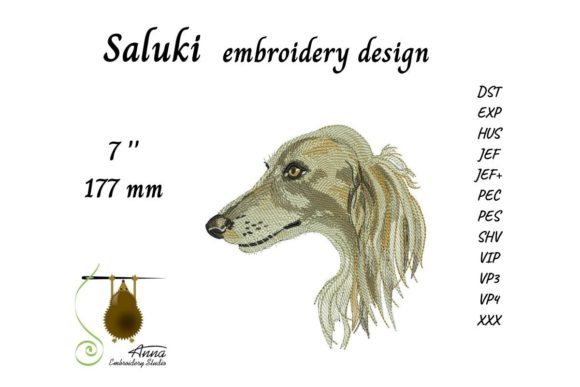
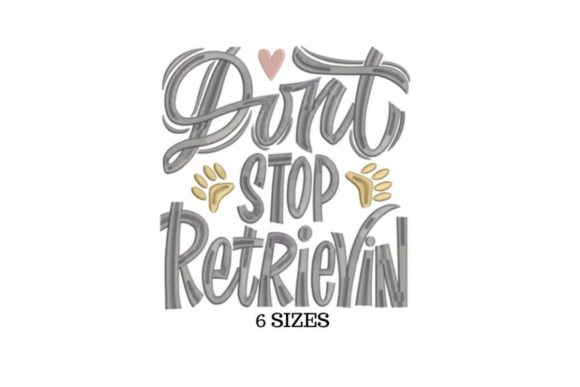
The first impression of Retriever is its mood. It isn't trying to be a hyper-realistic portrait or a cartoonish mascot. Instead, it carries an artistic, delicate, and fresh personality. For those of us in the craft business, finding designs that bridge the gap between "cute" and "sophisticated" is rare. This design feels like it belongs on a high-end boutique item rather than a mass-produced novelty shirt. The layout suggests a focus on flow and shape, likely utilizing a blend of satin stitch for definition and lighter fill stitch areas to keep the weight down. This balance is crucial because heavy density is the enemy of drape, especially on garments.
Real-World Application: The Custom Tote Scenario
To truly evaluate Retriever, I imagined a specific real-life scenario that many Etsy sellers and handmade shop owners face daily. Picture a customer ordering a custom canvas tote bag for a fellow golden retriever enthusiast. They want something understated but recognizable. Placing Retriever on the lower corner of a natural cotton tote creates an immediate sense of curated style. Because the design is described as adding a "delicate touch," it avoids overwhelming the negative space of the bag, which is a common mistake with larger dog breeds in embroidery.
In this context, the design shines as a personalized gift. It doesn't scream for attention, but it draws the eye upon closer inspection. For a small shop product, this subtlety increases perceived value. Customers are often willing to pay more for items that feel thoughtfully designed rather than slapped together. If you were to scale this up for a sweatshirt embroidery project, the artistic nature of the lines would complement the texture of French terry or fleece beautifully, provided you manage the underlay correctly.
Navigating Fabric and Technical Challenges
However, beauty in a digital embroidery file does not guarantee success on every material. Here is where practical judgment comes in. Because Retriever relies on a delicate aesthetic, it demands respect regarding fabric choice. If you attempt to stitch this on a highly textured fabric like a waffle knit or a rough linen without proper stabilization, those fine details could get lost or distorted. The "fresh touch" mentioned in the description implies clean lines, which can easily be compromised by uneven fabric surfaces.
For baby embroidery projects, such as a onesie or a nursery blanket, caution is key. Babies have sensitive skin, and dense stitching can be scratchy. Before committing to a final finished product, you must test the design on scrap fabric identical to your final material. Check the back of the stitching. Are there long jumps? Is the stitch density too high for a lightweight knit? If the design includes tiny details, ensure they don't create a hard spot that will irritate a baby's neck or chest. Using a soft, cut-away stabilizer might be necessary here to support the design without adding bulk.
Another critical consideration is dark fabric. Artistic designs often rely on contrast. If Retriever uses light thread colors to achieve its fresh look, stitching it directly onto a black hoodie might require a white underlay to prevent the fabric from showing through the stitches. Without this step, the design could look patchy. Always run a test stitch-out on both light and dark backgrounds to see how the color interaction plays out. This is a vital step for any apparel decorator aiming for professionalism.
Commercial Viability and Brand Consistency
For commercial embroidery professionals and digital product sellers, the versatility of a design determines its ROI. Retriever fits naturally into the Dogs category, but its artistic flair allows it to cross over into lifestyle branding. Imagine a line of kitchen towels or aprons for a home goods brand. The design adds a touch of warmth without feeling kitschy. It enhances brand consistency if your aesthetic leans toward modern farmhouse or boho-chic styles.
When creating printable mockups for your online store, this design offers excellent visual appeal. Its clean lines translate well in photos, making it an attractive asset for social media marketing. However, remember that what looks good in a rendered mockup might behave differently in reality. Never sell a custom apparel item based solely on a digital preview. Stitch a sample, wash it, dry it, and inspect it. Does the design hold up after laundering? Do the edges fray? These factors dictate customer trust and repeat business.
If you are considering using this as an applique design element or incorporating it into a larger composition, verify the file capabilities. Some artistic designs are strictly digitized for thread work and may not include cut files for fabric application. Always check the included formats and licensing terms before selling design assets or finished goods. You need to confirm whether the license permits unlimited sales of physical products or if there are restrictions on digital redistribution.
Final Verdict for Makers and Designers
Ultimately, Retriever stands out as a thoughtful addition to your library of embroidery projects. It is not a generic clip-art style image; it has a distinct visual personality that respects the medium of thread. For the hobbyist looking to make a special holiday gift or the creative entrepreneur building a collection of pet-themed goods, this design offers a solid foundation.
My advice is simple: treat it with the care it deserves. Choose your hoop size wisely to ensure the design sits centered and balanced. Pay attention to thread colors; sometimes swapping a standard gold for a variegated thread can enhance the "artistic" feel even further. Test it on curved surfaces like caps carefully, as the delicate lines might distort on a structured front panel if the digitizing isn't optimized for curvature.
In a market saturated with generic dog motifs, Retriever offers a refreshing alternative. It invites the viewer to appreciate the craft behind the stitch. Whether you are stitching a single embroidered patch for a jacket or producing a run of tote bags for a local boutique, this design has the potential to elevate your work. Just remember, the difference between a good product and a great one often lies in the testing phase. So, thread up your machine, grab some scraps, and see how this beautiful design performs in your hands. Your customers—and their golden retrievers—will thank you.