Thanksgiving Pumpkin: A Designer's Review for Business Merch
As an embroidery designer who spends countless hours digitizing and testing files for commercial use, I approach every new machine embroidery design with a critical eye. It is not just about whether a pattern looks cute on a screen; it is about how that digital embroidery file translates into a tangible asset for a small business. Recently, I reviewed the Thanksgiving Pumpkin design, evaluating its potential for branded merchandise, staff uniforms, and boutique product lines. Based on the description provided, this is touted as a high-quality, fun, and easy-to-stitch pattern that promises elegance on any fabric. Here is my professional assessment of how this design performs in real-world business scenarios.
First Impressions and Visual Personality
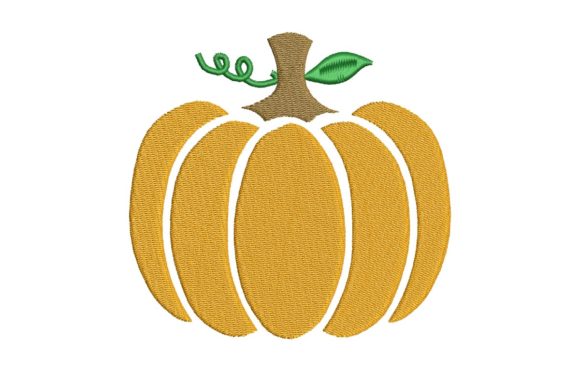
The title Thanksgiving Pumpkin immediately sets a specific tone. In the world of seasonal branding, there is a fine line between looking festive and looking cheap. My first impression of this design is that it leans towards a friendly, rustic aesthetic while maintaining a level of sophistication described as "elegant and gorgeous." For a small business owner, this balance is crucial. You do not want a holiday design that screams "disposable craft project." Instead, you need something that feels like a premium handmade product.
The description notes that the design is "fun," which suggests it likely avoids overly rigid or corporate geometry in favor of softer lines and approachable shapes. However, the promise of elegance implies that the stitch execution is clean, with careful attention to detail. For brands in the bakery, florist, or creative studio sectors, this visual personality is ideal. It communicates warmth and hospitality without sacrificing professionalism. When considering this for your brand identity, ask yourself if this playful yet refined vibe matches your customer base. If you run a high-end boutique or a cozy café, this design could serve as a perfect seasonal accent.
Real-World Applications for Small Business Merch
The true test of any embroidery file is its versatility across different substrates. The Thanksgiving Pumpkin appears to be a strong candidate for a variety of commercial embroidery projects. Here is how I see it performing in specific business contexts:
- Embroidered Patches: This is perhaps the most versatile application. A pumpkin patch can be created as a standalone item for sale or used as a branded label on packaging. Because the design is described as easy to stitch, it should hold up well on twill or felt backings commonly used for patches.
- Staff Uniforms and Aprons: For cafes and bakeries, apron embroidery is a staple. Placing this design on the chest or bib of an apron adds a seasonal touch that makes staff feel part of the celebration. It is less intrusive than a full-back print but offers immediate visual recognition.
- Cap Embroidery: Front-panel placement on dad hats or trucker caps is a huge trend. The "fun" nature of the pumpkin fits perfectly here. However, curved surfaces require careful hooping, which I will address in the technical notes below.
- Tote Bag Design: Canvas tote bags are a revenue stream for many Etsy sellers and boutiques. A gorgeous pumpkin motif elevates a simple bag into a limited-edition holiday item, encouraging impulse buys.
- Customer Gifts and Event Merch: Using this design on small items like napkins, coasters, or gift tags can enhance the unboxing experience. It turns a standard transaction into a memorable brand interaction.
The key takeaway for small business merch creators is that this design acts as a bridge between your everyday branding and the seasonal spirit. It allows you to participate in the Thanksgiving market without needing a completely new inventory of goods.
Technical Considerations and Placement Risks
While the description claims the design works on "any fabric," experienced decorators know that context matters. There are specific scenarios where you must exercise caution when deploying the Thanksgiving Pumpkin.
First, consider stitch density. If the design relies heavily on satin stitches to achieve its "gorgeous" look, it might become too stiff for lightweight fabrics like thin cotton tees or silk scarves. High density can also cause puckering on stretchy materials. Always check the thread colors against your base fabric. A bright orange pumpkin might look vibrant on white, but if you are stitching on dark navy uniforms, you need to ensure there is sufficient underlay or a backing layer to prevent the dark fabric from showing through the lighter threads.
Size is another critical factor. If you intend to use this as a tiny sleeve detail or on a small embroidered patch under two inches, verify that the details do not collapse. Tiny lettering or intricate outlines can turn into a blob of thread if the design is scaled down too far. Similarly, textured fabrics like heavy wool coats or looped towels can distort the finish. The "easy to stitch" claim is promising, but it does not negate the laws of physics regarding fabric texture and needle penetration.
Impact on Brand Identity and Customer Trust
Why does the quality of a single pumpkin design matter? Because consistency builds trust. When a customer sees a sloppy, poorly stitched logo on your custom apparel, they subconsciously question the quality of your core products. Conversely, a crisp, elegant Thanksgiving Pumpkin reinforces the idea that your business cares about details.
This design can significantly boost buyer engagement during the fall season. It signals that your brand is active, current, and celebrating with your community. For handmade brands, using a high-quality machine design actually enhances the perception of value; it shows you utilize professional tools to create consistent, durable goods. Whether it is used on a product label or a promotional hat, the visual consistency of using a well-reviewed file helps solidify your market position.
Professional Designer Notes for Production
Before you load this file into your machine for a production run, I recommend following these practical steps to ensure the finished product meets commercial standards:
- Test in Black and White First: Print a printable mockup or stitch a sample using only black thread. This reveals the structural integrity of the design without the distraction of color. If it looks good in monochrome, it will look great in color.
- Verify Hoop Size: The description mentions the design comes with "multi," likely referring to multiple sizes or formats. Confirm the hoop size required for the version you intend to use. Do not force a large design into a small hoop, as this causes registration errors.
- Check Stabilizer Requirements: Even "easy" designs need support. Choose a stabilizer appropriate for your fabric weight. Cut-away stabilizer is usually safer for items that will be washed frequently, such as staff uniforms.
- Review Commercial Licensing: Since this is for business use, explicitly confirm the license terms. Ensure you have the right to sell items featuring this design asset and not just use them internally.
- Create a Client Mockup: Before committing to a large batch, create a digital or physical mockup for approval. Compare the pumpkin beside your existing design assets to ensure visual harmony.
- Inspect Spacing and Density: Look closely at the stitch count relative to the size. If the description lacks exact stitch counts, run a test stitch-out to check for thread breaks or bird-nesting.
In conclusion, the Thanksgiving Pumpkin appears to be a robust choice for businesses looking to add seasonal flair to their merchandise. Its blend of fun and elegance makes it suitable for a wide range of applications, from cap embroidery to upscale tote bags. However, success lies in the preparation. By respecting the technical limitations of your materials and verifying the file specifications, you can leverage this design to create high-value products that resonate with your customers. Always remember that in commercial embroidery, the devil is in the details, and a little pre-production testing goes a long way toward protecting your brand reputation.