Olympic Horse Dressage: A Designer's Craft Fair Review
As I prepare my booth for the upcoming weekend craft fair, my table is covered in potential craft fair products ranging from linen tea towels to heavy canvas tote bags. In the center of my planning board sits the Olympic Horse Dressage machine embroidery design. For any Etsy seller or boutique maker targeting equestrian enthusiasts, this file represents a specific niche that demands precision and elegance. My goal today is to evaluate whether this digital embroidery file translates well from a screen thumbnail to a tangible handmade product that customers will actually buy.
First Impressions and Design Mood
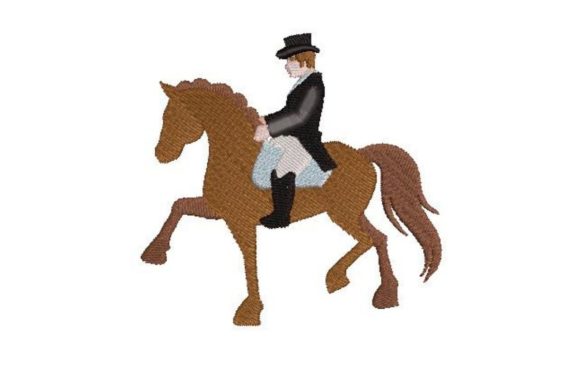
The first thing that strikes me about Olympic Horse Dressage is its inherent sense of movement and discipline. Unlike rustic farmhouse horses or cartoonish ponies, this design feels premium and athletic. The description highlights a "beautiful design of a horse and its tamer," which immediately suggests a narrative of partnership and skill. Visually, this reads as elegant and sophisticated rather than cute or whimsical.
For a small shop product line, this mood is crucial. It tells me that this design belongs on higher-end items. It isn't necessarily a "funny" gift for a casual rider; it is a statement piece for someone who respects the sport of dressage. The aesthetic leans towards the classic and decorative, making it a strong candidate for customers looking for something that feels like a legitimate tribute to the Olympics or competitive riding.
Product Suitability and Booth Display Strategy
When setting up a market table, visual hierarchy is everything. I am evaluating where Olympic Horse Dressage performs best among my inventory.
- Tote Bags and Market Bags: This is likely the strongest contender. A large canvas tote provides ample space for the full scope of the horse and tamer interaction. As a tote bag design, it allows the intricate details of the dressage pose to shine without feeling cramped. Customers love functional art, and seeing this on a sturdy bag makes it an instant grab-and-go item.
- Aprons and Kitchen Textiles: An apron embroidery featuring this motif appeals to the home cook who is also an equine fan. However, one must be careful with placement. On a tea towel embroidery project, the design needs to be scaled correctly so the "tamer" element doesn't get lost near the hem.
- Patches and Pouches: Creating an embroidered patch with this design could be a lucrative add-on sale. Patches allow customers to customize their own jackets or bags. Small fabric pouches also work well, provided the design is simplified or scaled down appropriately.
- Caps and Pillows: While possible, these require more caution. The curved surface of a cap can distort the long lines typical of dressage movements. Similarly, pillow covers need a design that looks balanced when stuffed and viewed from an angle.
In terms of booth display strength, I would place a finished sample of this design on a neutral-colored tote bag at eye level. The contrast between the thread and the fabric will draw the eye. If the design photographs well for a printable mockup, it will also serve as a powerful asset for online listings, helping remote buyers visualize the finished product.
Production Realities and Technical Considerations
Turning a digital asset into a physical good requires a critical eye for technical execution. The description notes that the file comes with "multiple emb" options, implying various sizes or formats. This versatility is excellent for batch production, but it requires careful selection.
Stitch Density and Clarity: Dressage involves fine lines—the rein, the posture of the rider, the muscle definition of the horse. If the stitch density is too high, these areas can become a solid blob of thread, losing the elegance of the pose. Conversely, if the density is too low on a textured fabric, the background might peek through unattractively. I always advise testing the design on scrap fabric first to ensure the thread colors provide enough contrast against the chosen material.
Fabric and Stabilizer Choices: The success of Olympic Horse Dressage depends heavily on the substrate. On thick fabrics like denim or canvas, you may need a stronger cut-away stabilizer to prevent puckering, especially if the design has dense fill areas. For tea towel embroidery, which often uses waffle weave or linen, the fabric texture can interfere with small details. In these cases, using a water-soluble topper is essential to keep stitches lying flat and crisp.
Sizing and Hoop Constraints: Before committing to a production run, you must confirm the hoop size required for the largest version of the design. If you are working with a standard 4x4 hoop, you might be limited to smaller applications like patches or pocket logos. Ensure the design assets you purchase fit your machine's capabilities. Furthermore, be wary of shrinking the design too much; tiny lettering or fine outlines can vanish entirely if the scale is reduced beyond the design's intended limit.
Maximizing Sales and Brand Consistency
For commercial embroidery businesses, consistency is key. If Olympic Horse Dressage becomes a staple in your Horses category, ensure it aligns with your brand's overall quality. Does the stitching look professional? Are the thread choices vibrant yet appropriate for the sport? A high-quality handmade product builds trust, encouraging repeat customers.
This design has the potential to increase buyer engagement because it targets a passionate demographic. Equestrians are known for supporting brands that understand their sport. By presenting this design on premium items, you elevate the perceived value of your booth. It moves the conversation from "cute souvenir" to "specialized gear."
Final Designer Notes for Success
To ensure the best results with Olympic Horse Dressage, follow these practical steps before hitting the start button on your machine:
- Test Run: Always stitch out the design on a scrap piece of your actual production fabric. Check how the threads interact with the material.
- Review Spacing: Look closely at the gap between the horse and the tamer. Ensure there is no unwanted bridging or jumping stitches that could snag.
- Check Licensing: Since this depicts a specific sport theme, confirm the commercial licensing terms included with your digital embroidery file. Ensure you are cleared to sell finished goods featuring this artwork.
- Mockup Creation: Create at least one real physical mockup for your booth. Photos are good, but touching the texture of the embroidery sells the product.
- Color Comparison: Compare different thread palettes. Sometimes a monochromatic look feels more modern and "Olympic," while traditional colors might feel more classic.
In conclusion, Olympic Horse Dressage is a versatile and evocative design that, when handled with technical care, can become a standout craft fair product. Its elegance suits a variety of Embroidery applications, from fashion accessories to home decor. By paying attention to stitch quality, fabric choice, and presentation, you can transform this digital file into a profitable and beautiful addition to your handmade inventory.